








































Innovative Trends in Restaurant Loyalty Programs for 2025
 Armie M
Key Highlights:
- Meet customers where they are: Mobile apps and POS integrations turn every order (online or in-store) into a loyalty opportunity.
- Data drives personalization: Platforms like COMO unify customer insights, letting restaurants tailor rewards to habits, not guesswork.
- Play to win Gen Z: Gamification bridges the gap between “transaction” and “entertainment,” turning deal-chasers into loyalists.
- Predict, don’t react: Tools like Sapaad Vantage Pro use AI to forecast trends, ensuring rewards feel less like coupons and more like curated perk.
While attracting new customers is important, keeping casual visitors and turning them into loyal regulars should be the top priority. After all, repeat customers make up about 51% – 70% of restaurant sales.
One effective way to increase repeat customers is to incentivize them with points or rewards each time they visit.
The classic “stamp card” remains a timeless tactic whereby restaurants reward customers with a free menu item after they’ve collected a certain amount of stamps earned only through orders.
But today’s diners crave convenience and instant gratification — physical cards feel outdated in an era where most consumers prefer apps over paper.
So let’s dive into the restaurant technology that’s powering these customer retention strategies.
Innovative Trends in Loyalty Programs for Restaurants
1. Collect Stars and Rewards via Mobile App Ordering
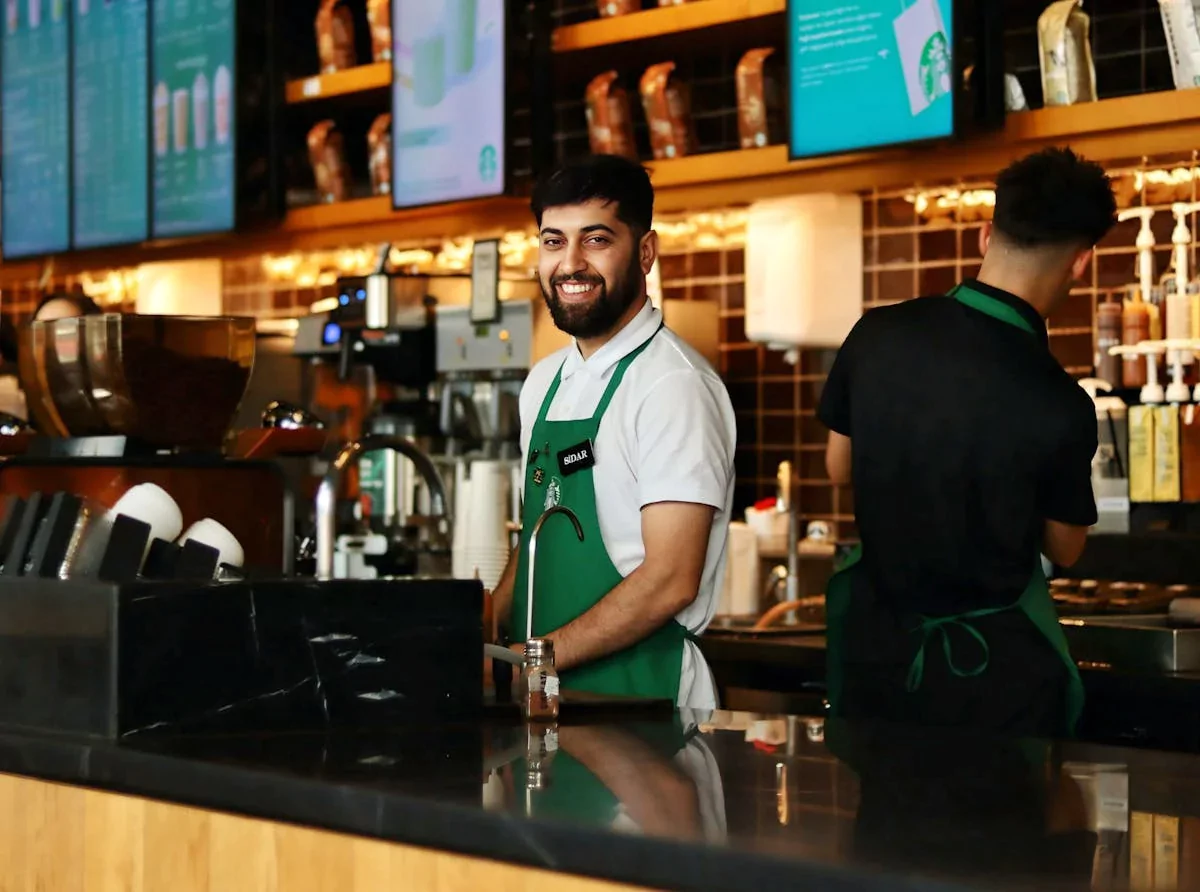
Starbucks shows us what a good loyalty program can do for a restaurant. Their yearly planner is very popular, and customers can only get it after collecting 17+ Starbucks stickers. They’re also good at seeing market changes and adapting to them.
Back then, Starbucks customers only got to collect stickers in-store. This came with the drawback of isolating their online orders. As early as 2009, they launched their Starbucks Rewards app, which allows customers to accumulate Stars with each purchase. These stars can then be redeemed for free beverages, food items, or select merchandise.
Chipotle Rewards operates similarly. Their loyalty app lets customers track points, get rewards, and redeem their points in exchange for a free menu item.
When people see they’re close to earning a reward, they’re more likely to visit again to reach that goal.
2. POS Integration and In-store Engagement
A successful loyalty program hinges on delivering exclusive perks and personalized service to its members. One example of this approach is McAlister‘s, where loyalty customers are treated to a warm welcome, prioritized seating, and delightful surprises like handwritten notes and free cookies.
But beyond the color-coded tables, which help staff identify whether a customer is a member, loyalty members automatically stand out on the order screens. This approach has resulted in a steady and high frequency of repeat customers.
3. Omnichannel Loyalty Integrations
The examples have focused on specific channels, but like Starbucks’s earlier challenge, this can alienate customers who prefer to order through other means. This is where omnichannel loyalty comes into play.
Loyalty platforms, like COMO, collect and store all customer data fall touchpoints (POS, mobile app, online orders, social media, etc.). This allows businesses to track customer preferences, spending habits, and engagement history in one place. With this data, Como enables personalized promotions and targeted campaigns.
Also integrating loyalty partners into a POS system is quicker to set up for restaurants.
4. Gamification of Loyalty Points
Gen Z, who are quickly becoming the dominant consumer market, approaches loyalty differently. In fact, restaurants have reported that it can be challenging to secure customer retention among Gen Z as they tend to seek out better deals rather than sticking with a single brand or restaurant. For Gen Z, loyalty can be achieved based on two factors: gamification and personalization.
Take Carl’s Jr., for example. They launched a mobile game where customers earn rewards by overcoming in-game obstacles. Players convert points into real-life food rewards, blending entertainment with tangible perks. Chipotle and Chick-fil-A have used similar strategies with games like Burrito Vault and Code Moo.
While this works as a great marketing tactic to attract new customers, it also doubles as an extension of their loyalty strategies since customers who sign up for the game are automatically enrolled in their loyalty program.
5. AI, Personalization, and Targeting Specific Customer Groups
Omnichannel ordering, which allows you to manage all your ordering channels through a single cloud-based point of sale (POS) system, can offer valuable insights into customer habits and preferences. Some multi-unit restaurants enhance this approach by integrating AI and machine learning recommendations to inform their customer retention strategies.
Sapaad Vantage Pro, for example, provides customers with a granular view of loyalty trends over time – from spikes in rewards redemption to forecasting points liability. By analyzing past customer behaviors and redemption patterns, businesses can predict how many outstanding points are likely to be redeemed and the associated costs.
Loyalty programs aren’t just about stamps or points anymore, they’re about creating experiences that keep customers coming back. From Starbucks’ mobile app stars to McAlister’s VIP treatment and Carl’s Jr.’s gamified rewards, the best strategies blend tradition with tech.
Armie M
Author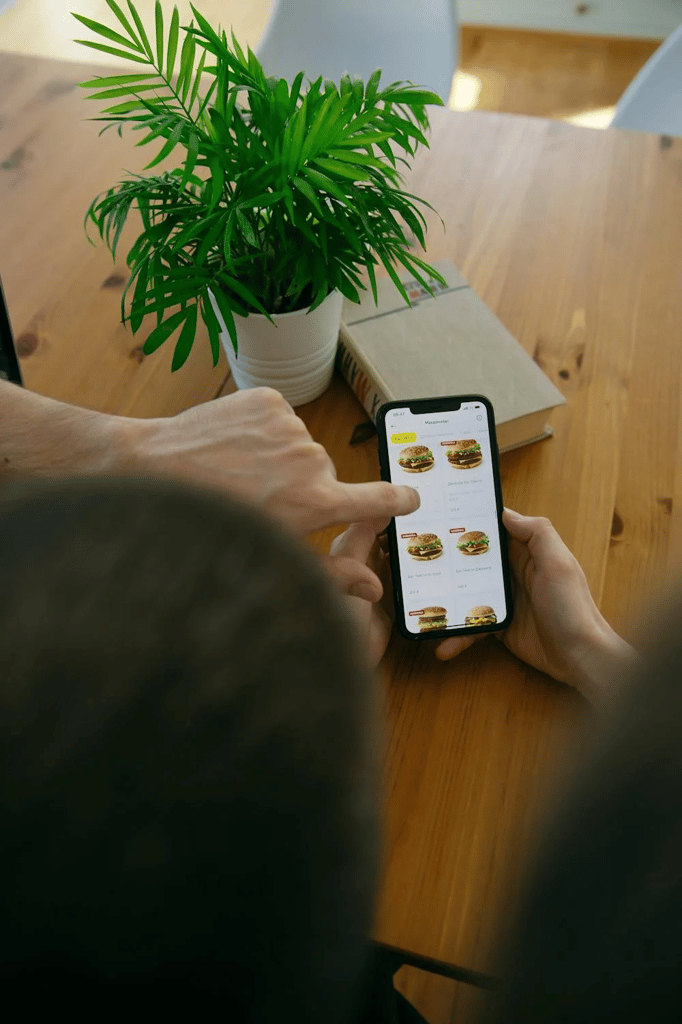

Related Blog Posts





Get the latest news and updates
Submit your email address to join our email list.