






































Restaurant Management System: 4 Great Ways it Solves Restaurant Challenges
 Juhlian Pimping
A restaurant management system exists in all food and beverage (F&B) operations regardless of size or style. The difference is in the quality and the efficiency in which they address the daily challenges faced by restaurants. In today’s tech-driven restaurant landscape, restaurateurs are always on the lookout for anything that can make things easier and faster for both their customers and their staff.
Data from studies suggest that restaurants utilizing the latest in restaurant management software are more efficient, put less pressure on staff, reduce their overall costs, and increase their total revenue.
So if you’re still on the fence about taking your restaurant management system to the next level through state-of-the-art technology, read on to know about the top restaurant management challenges they address.
1. Inventory Management
Challenge: One of the most important aspects of running a restaurant, inventory management can make or break a restaurant’s success. Do it poorly and you risk overordering and increasing wastage, or you can understock and run out of essential ingredients during peak hours; either way, it hurts your bottomline.
Additionally, poor inventory management can lead to inconsistent quality as you’re forced to use ingredients from different suppliers; this can make it difficult to retain loyal customers or obtain organic referrals. Poor inventory management may also mean improper food storage which can result in regulatory non-compliance and potential health code violations, further straining your operation with legal consequences.
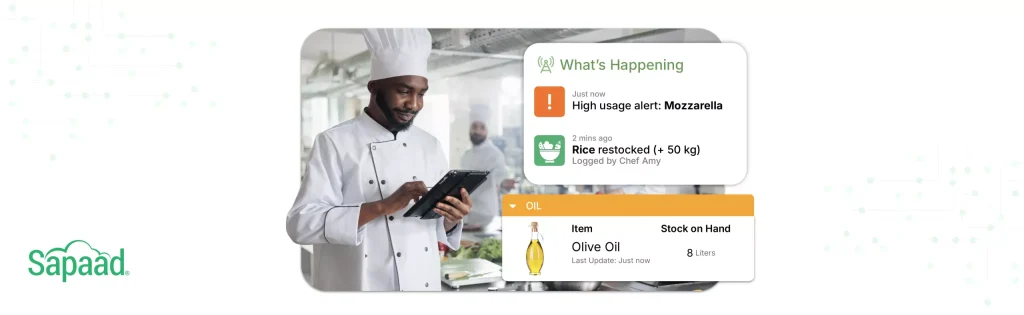
Solution: A good point of sale (POS) software for restaurants addresses several inventory management challenges, among others. Firstly, a cloud-based POS software automatically updates your inventory as the day progresses; giving you real-time visibility regarding your stocks and supplies. You can also set specific reorder levels so you get alerts when stocks are running low, and you can order directly from your chosen suppliers through the POS system; ensuring you’re never over or understocked.
Finally, aside from real-time data, a good restaurant management software also ensures that your data doesn’t go to waste. Gain insights into your stock and supply movements, including wastage, through various trend reports so you can plan ahead and work smart to maximize your restaurant’s profits.

2. Online Ordering and Delivery Integration With the convenience provided by numerous third-party delivery platforms, online ordering and delivery is one of the most in-demand restaurant services in this tech-driven age. In a recent study, approximately 40% of total restaurant sales are expected to come through online orders.
Challenge: With numerous third-party delivery platforms available to customers, each with their own unique interface and integration requirements, managing orders can be challenging; this often leads to errors as well as delays in service for restaurants who don’t have a dedicated restaurant management system designed to simplify such tasks. Third-party delivery platforms also charge commission fees which can make it difficult for some restaurants to maintain competitive pricing.
Solution: Having a restaurant management system that integrates directly to your own online ordering platform gives you greater control over your prices and processes. This can help you ensure a consistent, high-quality customer experience without relying on third-party platforms. If you have your own delivery rider fleet, you can even connect it to a rider management system which streamlines delivery logistics for your riders and customers.
If you don’t have the budget for your own delivery rider fleet just yet, a good cloud-based POS system can still streamline integrations with third-party delivery platforms. This ensures that orders across different channels are received, managed, and prepared in a timely manner.
3. Reporting and Analytics
Challenge: Restaurants who don’t have a dedicated all-in-one restaurant management system often suffer from data fragmentation. Trying to compile and reconcile operational data from a number of different platforms and channels (some digital, some paper-based) can be incredibly challenging. Compiling and organizing data, however, is only half the battle. Valuable data is wasted if you can’t glean actionable insights from them in order to improve your operation.
Solution: Modern cloud-based restaurant management systems do not only collect and compile data from all aspects of your operation, they also allow for easy generation of reports and trends so you always have a pulse on your restaurant operations with a simple tap of your phone or tablet. Equipped with AI and state-of-the-art business intelligence tools, your restaurant management system can even analyze historical data and enable trend-spotting so you can make proactive, data-driven decisions.

4. Customer Relationship Management (CRM)
With new restaurants and trendy cafes popping up and going viral almost every day, attracting new customers and retaining their loyalty is one of the most challenging aspects of running a food and beverage business in the digital age.
Challenge: According to research by Salesforce, 66% of consumers expect businesses to cater to their unique needs and preferences, but only 34% of establishments are able to satisfy their demands. Customer relationship management relies heavily on gathering daily operational data in order to pinpoint the preference of each customer and subsequently provide a personalized experience every time. Without a versatile software to manage data, it would be extremely difficult to create customer profiles that list each one’s specific needs and preferences.
Solution: Modern, cloud-based POS software for restaurants can automatically collect and manage customer data; that includes their order history as well as specific preferences and requests. This way, you can provide a consistent, personalized customer experience every time. In practice, this means that customers won’t have to tell you twice that they have specific allergies and preferences; and they’ll appreciate that.
Additionally, you can create targeting marketing campaigns since you’ll be able to segment your customers based on the collected data. Finally, it’ll be easier to manage and act on customer feedback since they’ll all be stored and easily accessible in one place.
In Summary
A modern restaurant management system can significantly improve operational efficiency and overall profitability by addressing key challenges such as inventory management, online ordering and delivery integration, reporting and analytics, and customer relationship management.
By leveraging advanced features like real-time data insights and AI-driven trend analysis, restaurants can optimize processes, reduce costs, and enhance customer experiences. Investing in state-of-the-art technology empowers restaurateurs to stay competitive in the ever-evolving food and beverage industry, leading to sustained success and growth.
If you’re ready to take your restaurant to the next level, check out Sapaad. Our all-in-one cloud-based restaurant POS system. Manage every aspect of your restaurant, drive business growth, and enhance customer experience all through one easy-to-use platform.
Juhlian Pimping
Author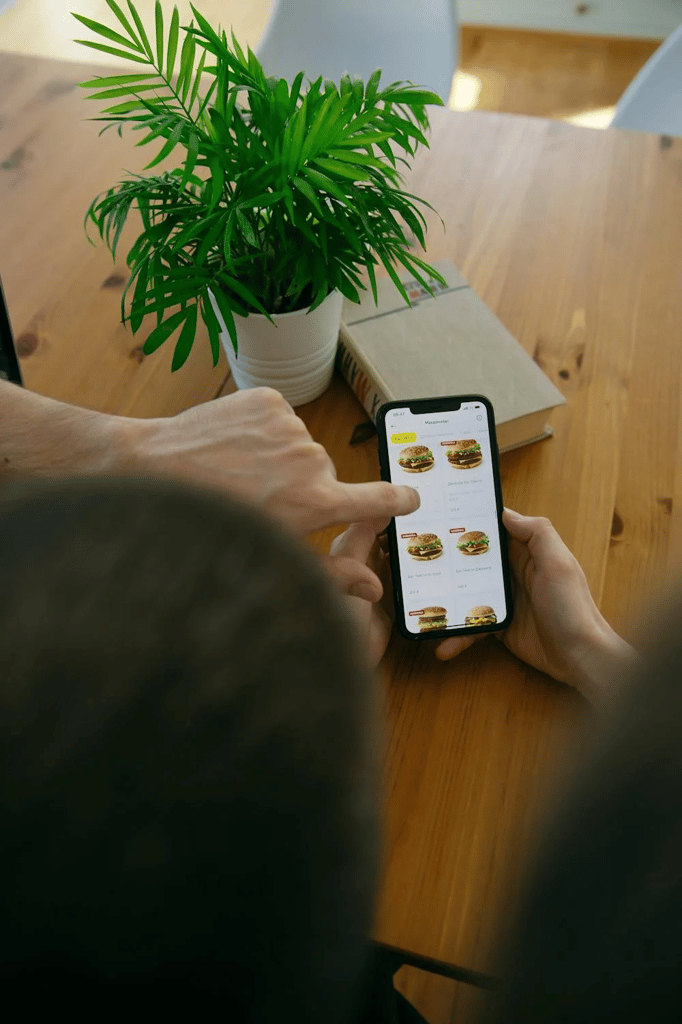

Related Blog Posts





Get the latest news and updates
Submit your email address to join our email list.