































Restaurant Management System: 5 Reasons to Go Digital
 Juhlian Pimping
Most of today’s establishments run a hybrid restaurant management system; part manual, part digital. However, current trends show that more food and beverage (F&B) establishments are pushing towards the digital-first approach. In a recent survey done by the National Restaurant Association (NRA), 53% of responding restaurant owners said they plan to make further tech investments in 2024, while 43% mentioned that they’ve already made tech investments the year prior.
These numbers make a compelling case for just how much restaurant operations are leaning on digital solutions to improve the customer experience, especially since a majority of customer demands for convenience are often catered to through their mobile devices.
In this article, we’ll talk about the top five reasons why you should make the switch to a digital-first restaurant management system in order to maximize your restaurant operation’s potential.

1. Streamlined ordering and payment processes
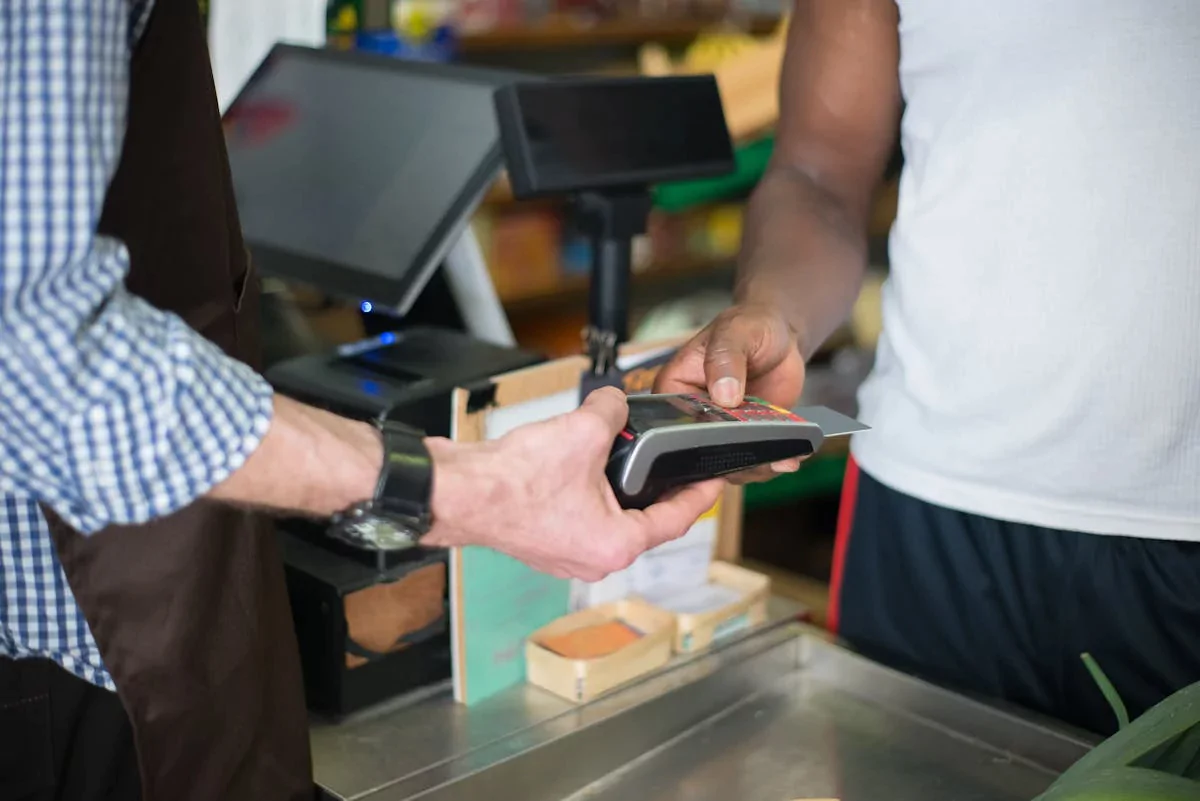
In a digital-first restaurant, the integration of mobile apps, QR codes, and tablets streamline ordering and payment processes by providing customers with a convenient and intuitive platform; all while avoiding long queues typically associated with more manual processes.
You can also reduce your restaurant’s overall preparation and service time if you’re using a fully-integrated digital restaurant management system, since orders can be transmitted directly to the kitchen. Additionally, by eliminating manual order taking from your standard processes, you also reduce the risk for human error so your staff can operate with greater efficiency.
2. Efficient inventory management
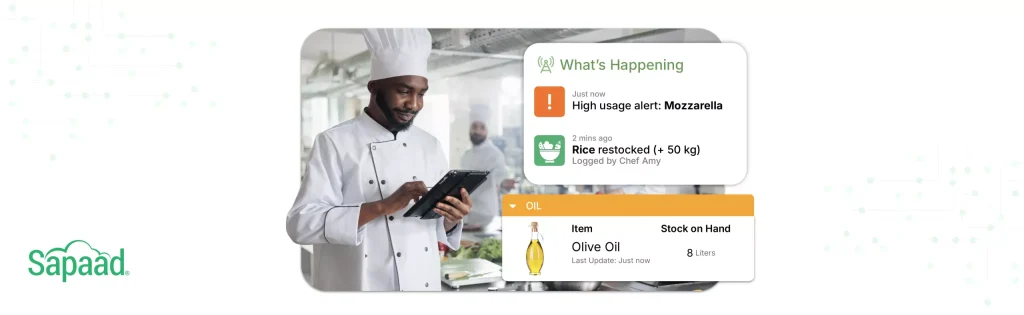
While there are many benefits to a digital-first approach when it comes to managing your restaurant, real-time inventory tracking is arguably the most useful benefit of making the switch from manual. If you’re able to track your stock in real-time, you can ensure that your restaurant is always prepared to meet customer demands, while you also reduce overall wastage.
Cloud-based point-of-sale (POS) systems also provide data analytics so you can review stock usage patterns, allowing you to make adjustments to your stock orders based on the ebb and flow of demand. A restaurant management system with built-in inventory management tools empower you to make informed stock purchasing decisions, ultimately resulting in improved profitability and sustainability.
3. Greater control over online delivery processes
Aside from boosting your brand’s reputation, having a bespoke online ordering platform and delivery rider app means you can be hands-on when it comes to the online customer experience; from ordering, to doorstep delivery. While food aggregators can provide convenience, owning your delivery process means you can tailor-fit your service, promote your restaurant through your delivery rider’s gear and uniform, and provide a consistent customer experience in all locations.
4. Effective customer communication and brand engagement
Digital-first tools help with both the backend processes such as inventory management, food preparation, and the customer-facing processes such as customer notifications, marketing, and promotions. For example, you can automate your SMS notifications so that customers are always informed about the status of their food delivery, and you can also automate SMS and emails to inform them of upcoming promotions for consistent brand engagement.
What’s great about having a digital restaurant management system is you can customize your promotions based on the data and insights gathered from your daily operations. This means you won’t have to rely on holidays or online trends to come up with the next “viral” promotion because you have live data to inform and inspire your marketing and promotional campaigns.
5. Enhanced operational insights and decision making
A digital restaurant management system is a great tool for collating data and insights from your daily operations. With live data, you can easily identify what your restaurant is doing well, and which areas are in need of improvements. If you have multiple locations, you can even compare and set custom data filters to pin-point systemic issues; allowing you to make informed adjustments.
From analyzing sales trends and customer preferences, to monitoring staff performance and popular menu items, having live data is the key to making smart adjustments which will ultimately shape your restaurant’s success.

The food and beverage space is trending towards the digitalization of processes in order to cater to the increasing customer demands for convenience. This means that embracing digital solutions in today’s restaurant landscape has become a necessity, rather than a luxury. From streamlined ordering processes to real-time inventory management, the myriad benefits of adopting a digital restaurant management system are compelling.
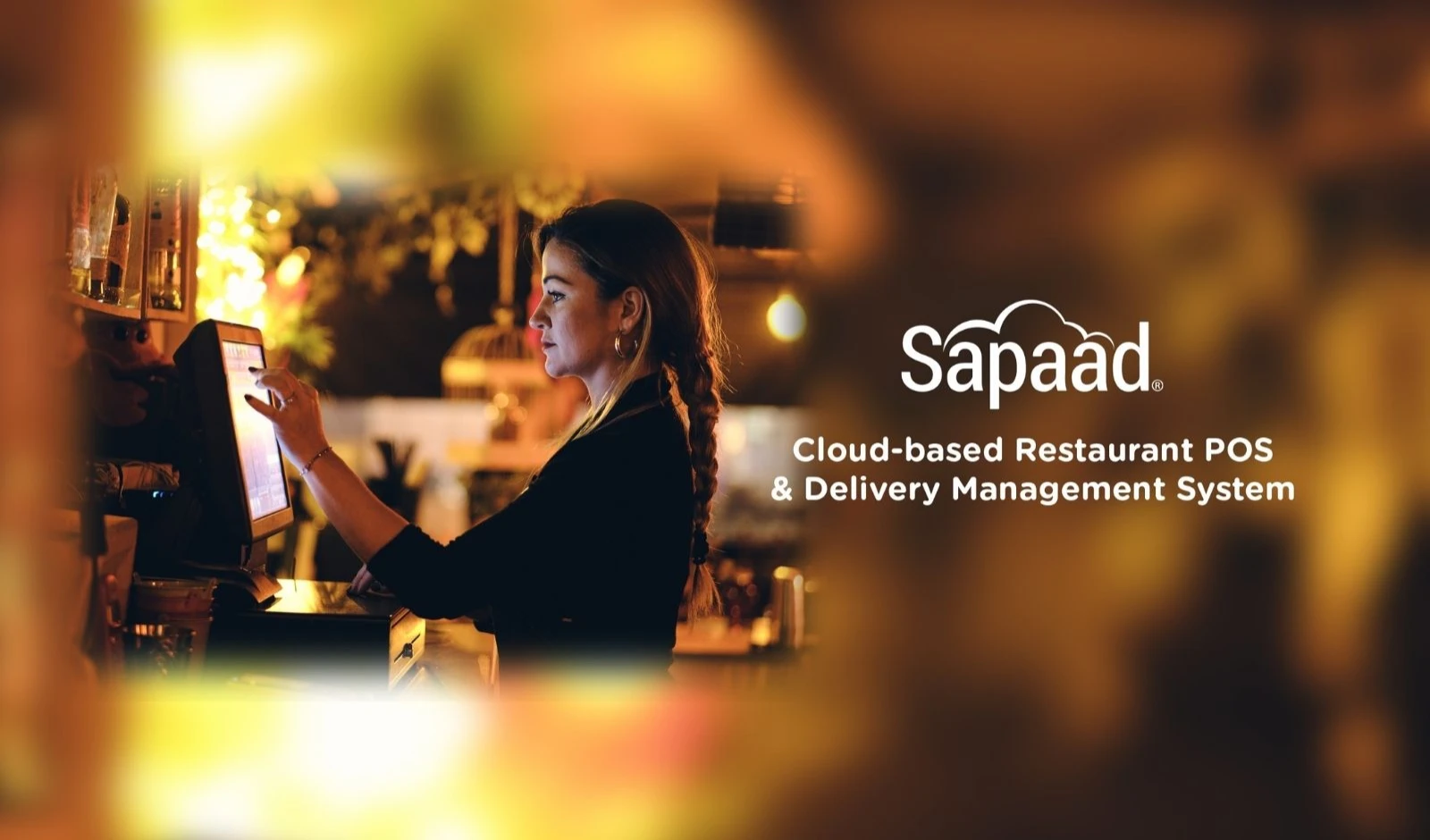
If you’re ready to take full control of your restaurant operations through a convenient, and user-friendly digital platform, look no further than Sapaad – an all-in-one, cloud-based restaurant management system that helps you drive business growth, and enhance customer experience with incredible ease.
Juhlian Pimping
Author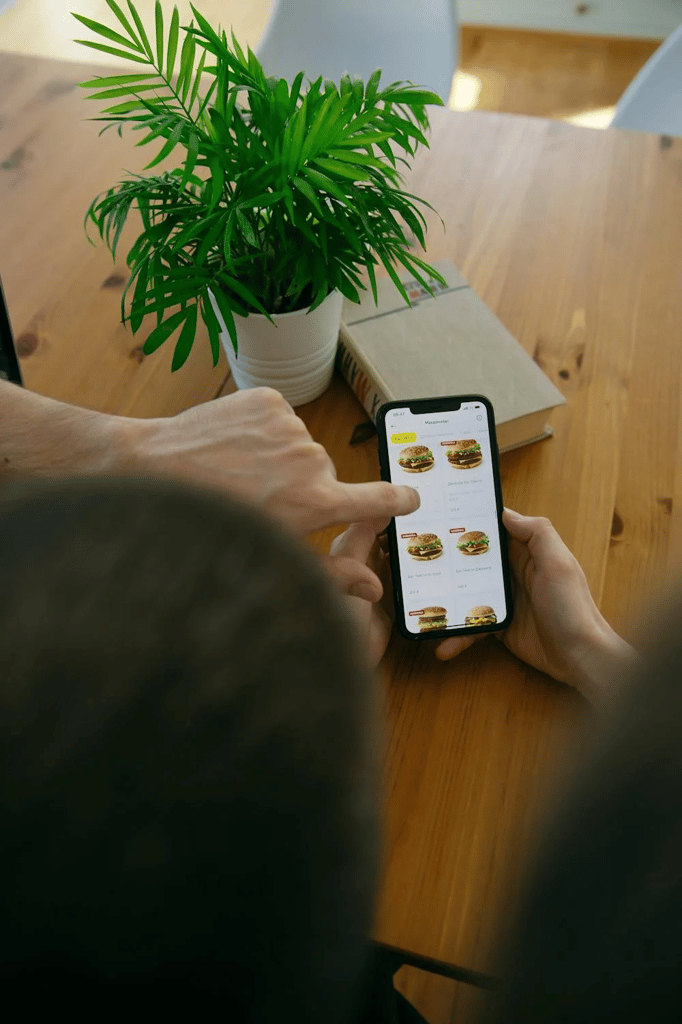

Related Blog Posts





Get the latest news and updates
Submit your email address to join our email list.