































A Guide to Unified Commerce Platforms for Restaurants
 Mirash T
Delicious offerings, a nice ambience, and competitive prices; these are often cited as top factors for building customer loyalty and achieving steady growth for restaurants. In today’s highly-competitive and globalized market, however, the real question is how does a restaurant build a foundation on which these tenets become consistently achievable?
In this article, we’ll talk about the concept of a unified commerce platform for restaurant operations, how it differs from omnichannel strategies, as well as the different advantages and benefits it grants restaurants and their customers.
What is a Unified Commerce Platform for restaurants?
In the context of restaurant operations, unified commerce refers to the seamless integration of customer touchpoints as well as back-end systems under one, cohesive digital ecosystem. This includes elements such as a point-of-sale (POS) system, ordering channels, inventory management, kitchen display systems, payment processing, and business intelligence dashboards, just to name a few.
What’s the difference between omnichannel and unified commerce?
An omnichannel strategy refers to the operation of several channels and customer touchpoints with the goal of providing a consistent customer experience. This includes walk-in dining services, online ordering, and even the integration of a delivery app. While each integrated feature aims to improve the efficiency of their respective processes, they often operate independently of each other, running through the different systems provided by third-party services.
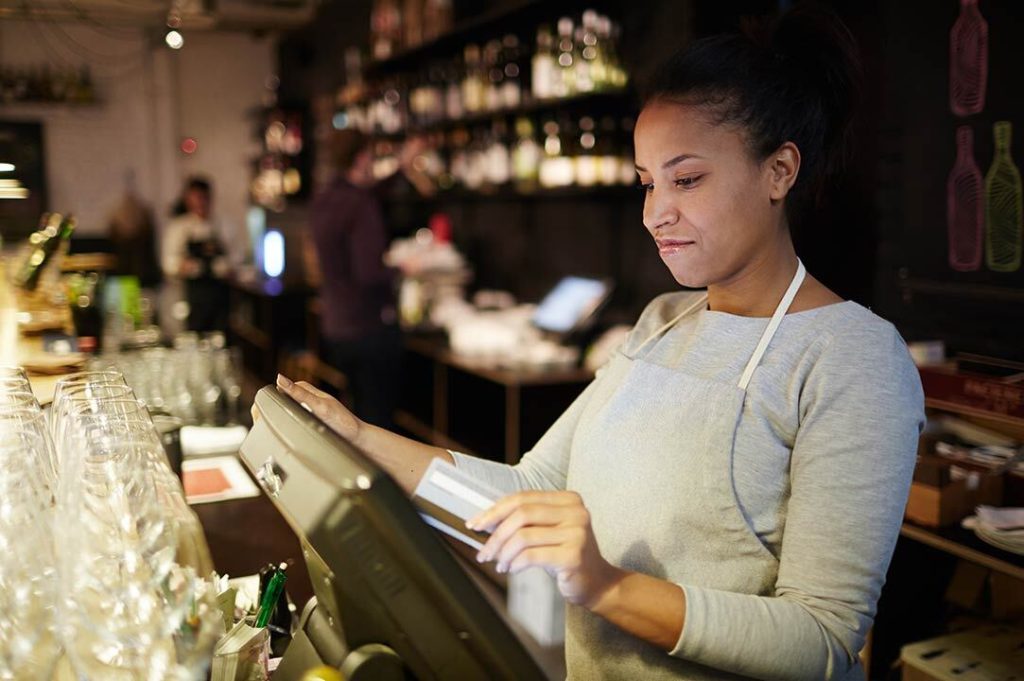
This can lead to possible inefficiencies, since not all of the individual features and channels may sync or work well with each other despite efforts to integrate them into one system. Some examples of the difficulties faced by omnichannel strategies may include duplicated and inconsistent inventory counts across two or more features, or inconsistent customer records. Such issues often require manual intervention to resolve, which causes inefficiencies during general operations.
On the contrary, unified commerce improves upon the omnichannel strategy by integrating both customer touchpoints and back-end processes into just one specialized platform. All of the data from customer interactions and operational processes are centralized, which means owners and managers can get a holistic view of their restaurant operations in real-time.
Additionally, feature updates and data syncs between the different features of a unified commerce run a much lower risk of causing bugs and inefficiencies, since all parts of the whole are taken into account whenever changes are rolled out.
For restaurants, adopting a unified commerce platform leads to a more seamless experience for both staff and customers, boosting operational efficiency and enhancing customer satisfaction.
How does a unified commerce system improve the customer experience?
When all touchpoints run through a single, unified system, the customer experience becomes consistent and frictionless. Whether they’re dining in, ordering online, or using a delivery app, the process remains cohesive, intuitive, and painless.
One of the main advantages of unified commerce is the centralization of customer data. In practice, this allows restaurants to personalize recommendations and push targeted promotions based on the customer’s order history and known preferences, resulting in a more tailored experience, which can also boost sales.
A unified commerce system also provides transparency, which is crucial for a great customer experience. When a customer tries to order, a unified commerce system ensures they are looking at the latest menu options, with updated item availability based on the system’s automatic stock and inventory updates. Additionally, if they order through a delivery app, they also get an accurate estimate of their waiting time, which is automatically calculated and provided based on the current operational status. For example, if a customer orders a delivery during rush hour, their waiting time will be automatically adjusted to keep them informed.
A unified system also leads to greater operational efficiency, which means overall wait times become shorter, and average order accuracy goes up since staff can easily manage and track orders in one platform.
Payment systems are easily consolidated through a unified commerce platform, allowing customers to choose their preferred payment channels, e.g., cash, card, or mobile, based on what’s convenient. Finally, loyalty programs can be integrated across several ordering channels, so customers can earn and redeem points regardless of their preferred method. This encourages repeat business and improves brand loyalty.

Sapaad: The Unified Commerce Platform for Your Restaurant
Sapaad’s cloud-based platform provides all of the benefits restaurants want from a unified commerce, and improves upon it through a highly-intuitive user experience that provides value from day one.
Through Sapaad’s world-class POS, along with features such as Sapaad Direct, Sapaad Waiter, Sapaad Kiosk, and Sapaad.Online, you give your customers several ordering channels including over-the-counter, dine-in QR, tableside, self-paced kiosks, and online.
Once orders are confirmed, they’re automatically forwarded to your kitchen display systems via Sapaad KDS to prompt efficient order preparation and assist with order accuracy.
Sapaad Inventory ensures stock information is consistent across your entire system, and it also allows you to manage suppliers, set reorder levels, and track food waste and costs to ensure efficiency and profitability.
Our built-in discount and promotion engine also allows you to design and implement promotions uniformly across several ordering channels in minutes. This ensures customers can earn and redeem rewards regardless of ordering channel, improving brand loyalty and boosting sales.
Finally, Sapaad Vantage, our AI-powered BI dashboard designed exclusively for restaurants, gives you instant insights and advanced reporting on all aspects of your operation. This ensures you can make informed business decisions based on solid data to improve efficiency, and ultimately boost your bottom line.
Sapaad’s unified commerce platform easily scales with your operation, and provides value regardless of your restaurant’s size, style, and target demographic.
Ready to take your restaurant operations up a notch? Click here to schedule a free demo!
Mirash T
AuthorRelated Blog Posts

Get the latest news and updates
Submit your email address to join our email list.